Smelly Peach: A Playful Sans Serif Font for Web Headers
I was deep in the layout phase of a new boutique landing page last Tuesday, trying to solve a common digital dilemma. The client wanted a brand identity that felt approachable and handmade, yet the site needed to function flawlessly on mobile devices and load quickly for e-commerce conversions. I had a clean, geometric body copy ready to go, but the hero section felt sterile. It lacked personality. That is when I decided to test Smelly Peach. As a handmade sans serif font, it promised a unique blend of organic charm and structural stability, and after integrating it into the header and call-to-action elements, I found it to be a surprisingly versatile tool for modern web design.
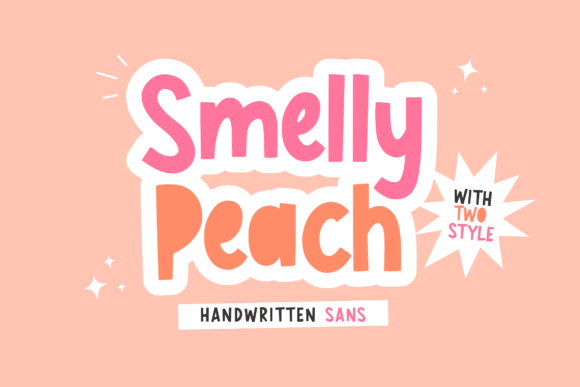
At first glance, Smelly Peach defies the rigid expectations of traditional typography. While most sans serif fonts strive for perfect geometric uniformity, this typeface embraces subtle irregularities that mimic the human hand without sacrificing legibility. In a digital environment where users scan content rapidly, finding a display font that captures attention without causing eye strain is crucial. Smelly Peach achieves this by offering a friendly, inviting mood that instantly lowers the barrier between the brand and the visitor. It feels less like a corporate interface and more like a conversation with a creative friend, which is exactly the vibe many small business owners and course creators are striving for in their online presence.
Elevating Hero Sections and Digital Branding
The true test of any display font is how it performs in the hero section—the first thing a user sees upon landing on a homepage. I placed Smelly Peach over a high-resolution lifestyle image for the boutique store project, using a bold white color to create contrast. The result was immediate visual interest. Unlike standard system fonts that can feel generic, Smelly Peach added a layer of texture and warmth to the design. Its slightly uneven stroke widths and playful curves gave the headline a custom, bespoke feel, suggesting that the products sold on the site were equally unique and carefully crafted.
This font shines particularly bright in brand identity work for creative industries. Whether you are designing a portfolio site for a photographer, a sales page for a life coach, or a landing page for a handmade soap shop, the typography sets the tone before a single product image is viewed. Smelly Peach works exceptionally well for short phrases, titles, and logo text where character is more important than density. It brings a sense of whimsy and authenticity that helps a digital brand stand out in a crowded marketplace. When used as a primary element in a logo design or a website banner, it communicates creativity and approachability instantly.
Readability and Responsive Layout Performance
One of my primary concerns when selecting a creative font for web use is how it translates across different screen sizes. A font that looks charming on a 27-inch monitor can become illegible on a smartphone if the letterforms are too intricate or the spacing is too tight. I tested Smelly Peach extensively on various breakpoints, from desktop down to mobile views. Fortunately, its classification as a sans serif font works in its favor here. The lack of serifs means there are no fine details to get lost on low-resolution screens or small mobile displays.
For optimal readability, I found that Smelly Peach performs best when used at larger sizes. It is an excellent choice for H1 and H2 headings, button text, and pull quotes. However, like many decorative or handmade typefaces, it is not suitable for long paragraphs of body copy or dense information blocks. In the final layout, I paired it with a neutral, highly readable sans serif for the main content areas. This font pairing strategy created a balanced visual hierarchy: Smelly Peach drew the eye to key messages and calls to action, while the secondary font ensured that the detailed product descriptions and terms of service remained easy to read. This combination maintains professional standards while keeping the design engaging.
Practical Applications for Online Stores and Courses
Beyond the homepage, Smelly Peach proved to be a valuable asset for specific sections of a website that require a softer touch. For an online course creator, I used the font to highlight module titles and testimonial headers. This broke up the monotony of the standard curriculum list and made the educational content feel more accessible and less intimidating. Similarly, for an e-commerce site, using Smelly Peach on "Add to Cart" buttons or promotional banners added a playful nudge that encouraged interaction without feeling aggressive.
The font is also ideal for social media graphics that will be embedded into the website or used to drive traffic to it. Consistency between social media assets and the website itself strengthens brand recognition. Because Smelly Peach has such a distinct personality, using it in Instagram stories, Pinterest pins, and Facebook ads creates a cohesive visual language that followers will begin to associate with the brand. It bridges the gap between static web design and dynamic social content seamlessly.
Technical Considerations and Licensing
Before implementing Smelly Peach in a client project or a personal template, it is essential to review the technical specifications and licensing terms. As with any premium font intended for commercial use, you must verify the included file formats. For web implementation, ensure that webfont versions (such as WOFF or WOFF2) are available or that you have the rights to convert the desktop files for web embedding via services like Adobe Fonts or self-hosting. Proper formatting ensures that the font loads quickly, preserving the site's performance scores and user experience.
Additionally, check for multilingual support if your website targets a global audience. While Smelly Peach is perfect for English headlines, ensuring it supports the necessary character sets for other languages is vital for inclusivity. Always review the commercial license to confirm that it covers your specific use case, whether that is a single website, multiple client projects, or a digital product like a website template sold on a marketplace. Respecting intellectual property and understanding the scope of your license protects both you and your clients.
In the world of modern typography, finding a font that balances personality with functionality is often a challenge. Smelly Peach manages to walk this line effectively. It offers the warmth of a handwritten note with the structural reliability of a sans serif, making it a powerful tool for designers looking to inject soul into their digital layouts. Whether you are building a simple portfolio or a complex e-commerce platform, this typeface provides the creative spark needed to make a memorable first impression. By using it strategically for headlines and accents while maintaining clean body copy, you can create a digital experience that feels both professional and deeply human.